Common Indoor Pollutants and How to Reduce Them
Air Solutions • September 24, 2024
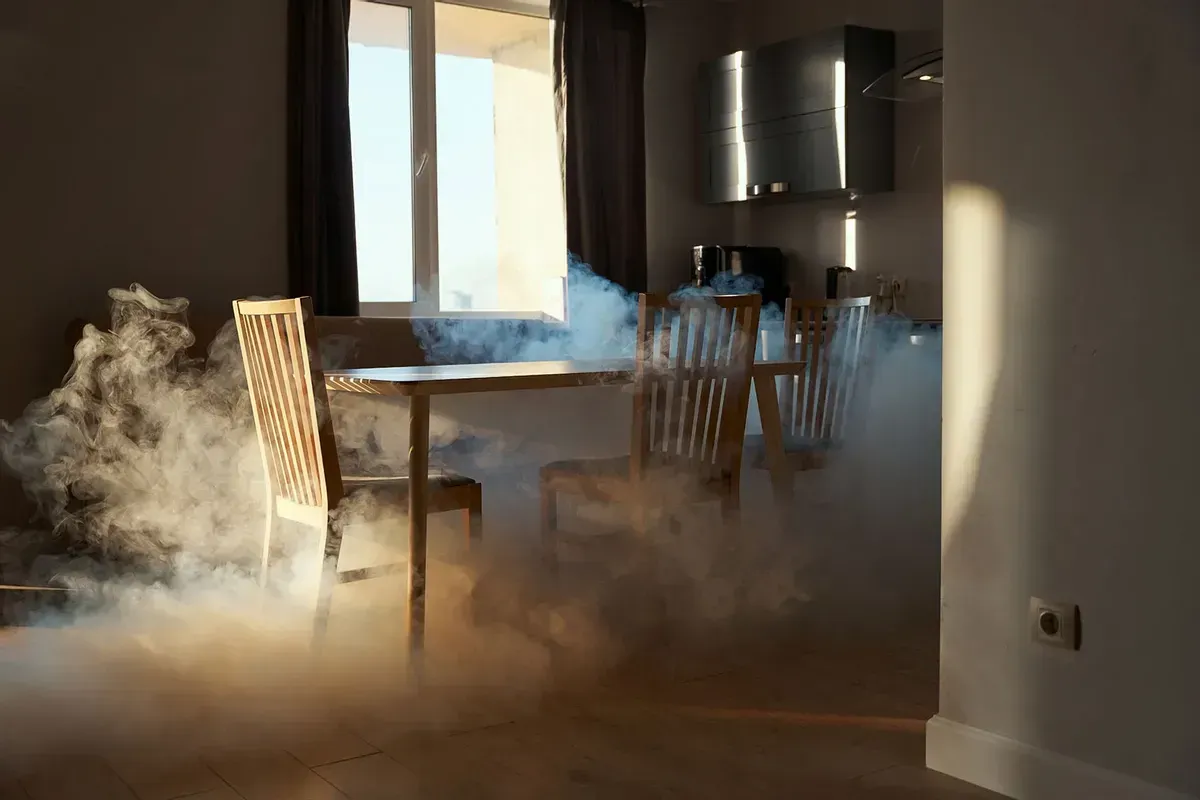
Indoor air quality is crucial for maintaining a healthy home environment. Unfortunately, various pollutants can accumulate indoors, leading to health issues and discomfort. Understanding these common indoor pollutants and implementing strategies to reduce their impact can significantly improve your indoor air quality. Here’s a look at some of the most prevalent indoor pollutants and practical steps to minimize their presence.
1. Mold
Sources:
Mold thrives in damp, humid environments and can grow on a variety of surfaces, including walls, ceilings, and furniture. It often arises from water leaks, poor ventilation, and high humidity levels.
Health Impacts:
Exposure to mold can cause respiratory problems, allergic reactions, and other health issues, particularly for individuals with asthma or compromised immune systems.
Strategies to Reduce Mold:
- Control Humidity: Keep indoor humidity levels between 30% and 50%. Use dehumidifiers in high-moisture areas like basements and bathrooms.
- Fix Leaks Promptly: Repair any leaks in roofs, pipes, or walls to prevent moisture accumulation.
- Ensure Proper Ventilation: Use exhaust fans in kitchens and bathrooms to improve airflow and reduce moisture levels.
2. Pet Dander
Sources:
Pet dander consists of tiny flakes of skin shed by cats, dogs, and other furry animals. It can accumulate on furniture, carpets, and bedding, contributing to indoor allergens.
Health Impacts:
Pet dander can trigger allergic reactions, asthma, and other respiratory issues in sensitive individuals.
Strategies to Reduce Pet Dander:
- Regular Cleaning: Vacuum carpets and upholstery frequently with a vacuum equipped with a HEPA filter. Wash pet bedding and toys regularly.
- Designate Pet-Free Zones: Establish certain areas in your home, such as bedrooms, as pet-free zones to limit exposure to allergens.
- Groom Pets Regularly: Bathe and groom pets regularly to reduce shedding and dander.
3. Volatile Organic Compounds (VOCs)
Sources:
VOCs are emitted by a variety of household products, including paints, cleaning agents, air fresheners, and building materials. These compounds can be released into the air, particularly when products are first used.
Health Impacts:
Short-term exposure to VOCs can cause headaches, dizziness, and respiratory irritation, while long-term exposure may lead to more serious health issues.
Strategies to Reduce VOCs:
- Choose Low-VOC Products: When buying paints, cleaning supplies, or building materials, opt for products labeled as low-VOC or no-VOC.
- Improve Ventilation: Ensure proper ventilation when using products that emit VOCs by opening windows or using exhaust fans.
- Store Chemicals Properly: Keep household chemicals in tightly sealed containers and store them in well-ventilated areas.
4. Dust and Dust Mites
Sources:
Dust is a mixture of various particles, including skin flakes, fabric fibers, pollen, and dust mite droppings. Dust mites thrive in bedding, upholstered furniture, and carpets.
Health Impacts:
Dust can aggravate allergies and asthma, leading to respiratory issues and discomfort.
Strategies to Reduce Dust:
- Regular Cleaning: Dust surfaces regularly and vacuum carpets and rugs. Use a damp cloth to wipe surfaces to avoid stirring up dust.
- Wash Bedding Frequently: Wash sheets and pillowcases in hot water weekly to reduce dust mite populations.
- Use Allergic-Resistant Covers: Consider using allergen-proof covers on mattresses and pillows to minimize dust mite exposure.
5. Carbon Monoxide (CO)
Sources:
Carbon monoxide is a colorless, odorless gas produced by the incomplete combustion of fuels from gas stoves, furnaces, and fireplaces.
Health Impacts:
CO can be extremely dangerous, leading to symptoms such as headaches, dizziness, and in severe cases, death due to poisoning.
Strategies to Reduce Carbon Monoxide:
- Install CO Detectors: Place carbon monoxide detectors in key areas of your home, especially near sleeping areas, and test them regularly.
- Maintain Appliances: Have heating systems, stoves, and other fuel-burning appliances inspected and serviced annually.
- Ensure Proper Ventilation: Ensure that fuel-burning appliances are properly vented to the outside.
6. Radon
Sources:
Radon is a naturally occurring radioactive gas that can seep into homes from the ground, particularly in certain geographic areas.
Health Impacts:
Long-term exposure to radon is the second leading cause of lung cancer after smoking.
Strategies to Reduce Radon:
- Test for Radon: Use a radon testing kit to determine the radon levels in your home. If levels are high, consider hiring a professional for mitigation.
- Improve Ventilation: Increase ventilation in basements and crawl spaces to help reduce radon levels.
Conclusion
Understanding common indoor pollutants and implementing effective strategies to reduce their presence is essential for maintaining a healthy home environment. Regular cleaning, proper ventilation, and careful product selection can significantly improve indoor air quality, ultimately benefiting the health and comfort of you and your family. By taking proactive steps, you can create a safer and healthier living space, free from harmful pollutants.